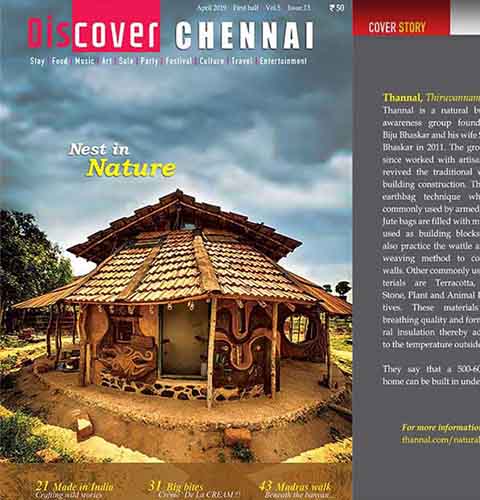

About Biju Bhaskar
About Biju Bhaskar
“Grow more villages with less development and greater self-sufficiency” – Biju Bhaskar
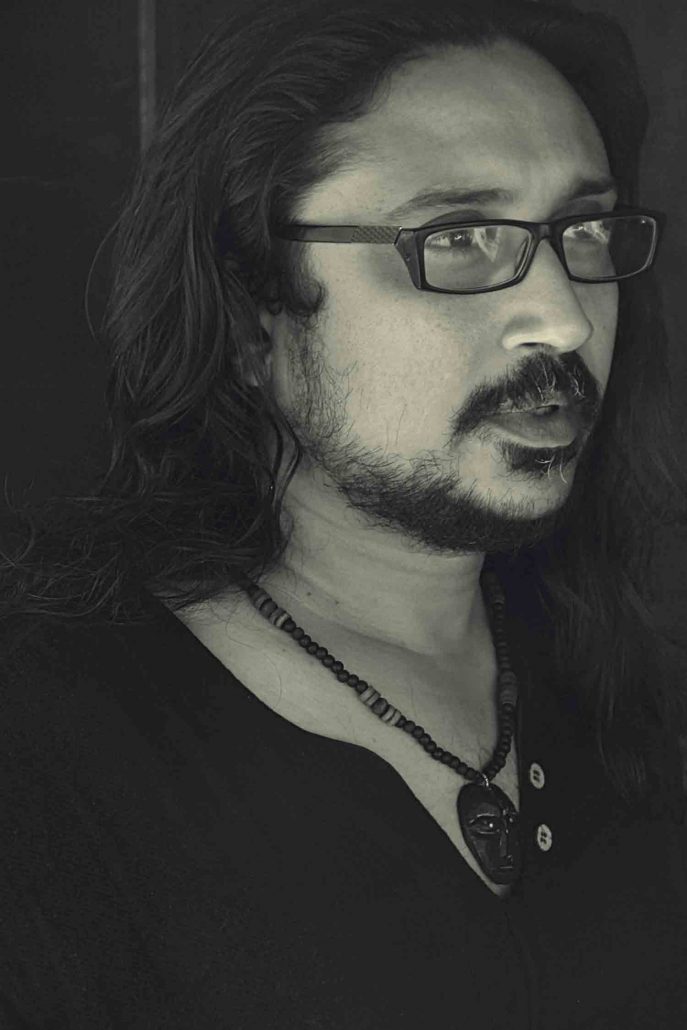
Personal Information:
Born on 23 August 1974 in Kerala, India
Residence: Thannal Natural Home Campus, Tiruvannamalai, Tamil Nadu, India
Family:
Father- Dr.M.Bhaskaran
Mother- Nalini Bhaskar
Brother- Binu Bhaskar
Wife- Sindhu Bhaskar
Children- Adhya Vriksha & Bodhi Vriksha
Profile & Philosophy:
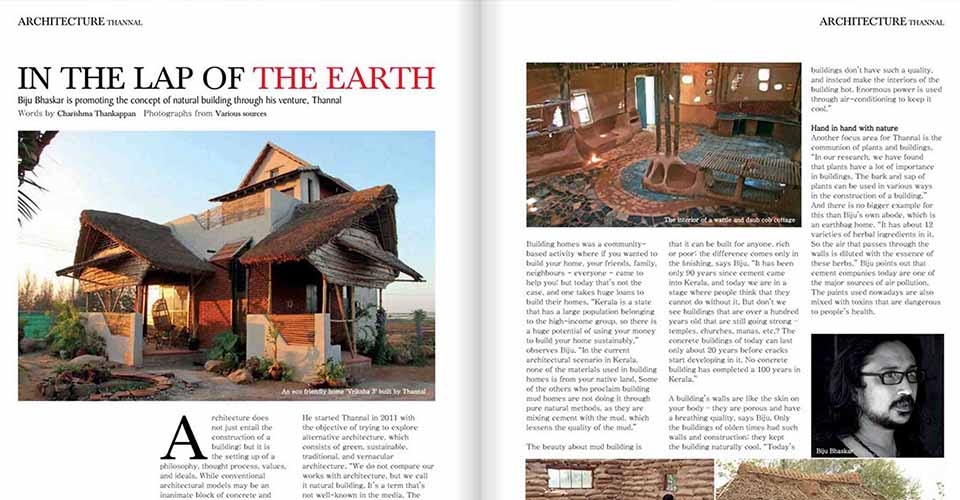
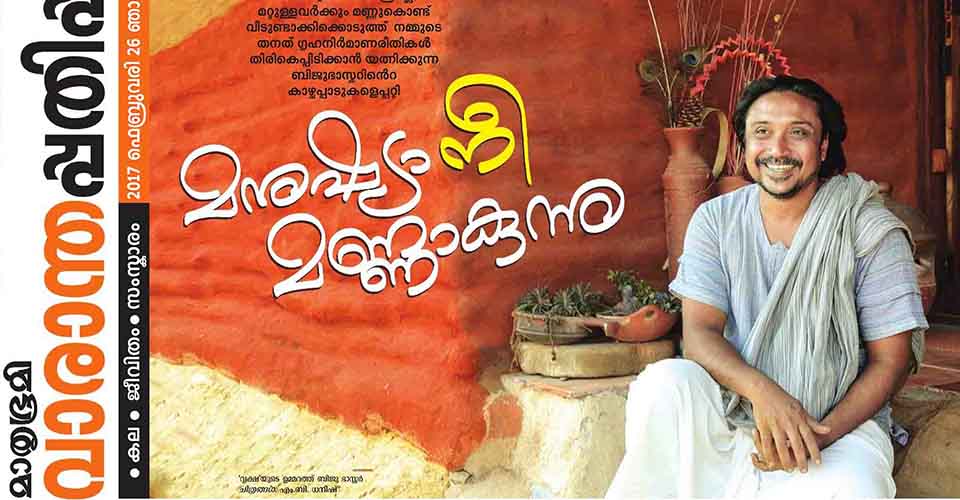
Biju Bhaskar, founder of Thannal Natural Homes, stands as a recognized changemaker and pioneer in zero-cement architecture, distinguishing himself through extensive research into ancient building materials. Born into an agrarian family in Kerala, India, he rooted his early life in the rhythms of sustainable living and traditional craftsmanship.
Stepping away from conventional architectural academia, Bhaskar embarked on a formative journey across India’s villages to master indigenous building techniques. He apprenticed under master artisans and tribal sculptors, a path that included a defining eighteen-month mentorship in driftwood sculpture under a tribal master in Khajuraho. His subsequent collaborations with diverse artists, spiritual teachers, and photographers have deeply enriched his holistic philosophy of natural construction.
In 2009, Bhaskar was awarded a degree in architecture from the Indian Institute of Architects and relocated to the foothills of Arunachala in Tiruvannamalai, Tamil Nadu, to begin extensive research in Mud Architecture and the revival of zero-percent cement building techniques. His vision materialized in 2011 with the founding of Thannal Natural Homes, India’s first organization dedicated to natural building awareness and education.
His research focus has since expanded into the study of ancient materials, with a specialization in plant derivatives and natural polymers used in historical construction. Bhaskar is committed to documenting these rediscovered methods in a forthcoming book aimed at reviving sustainable, zero-cement architecture for modern applications. His work is deeply inspired by the teachings of Sri Ramana Maharshi, grounding his philosophy in self-sufficiency and minimal impact on nature.
Through Thannal Natural Homes, Bhaskar continues his journey of self-study, spreading awareness of natural building techniques through hands-on workshops, educational publications, and India’s first natural building learning app. His contributions have redefined sustainable architecture in India and are setting new global standards for zero-cement, regenerative construction.
Career Milestones:
- 1993–1998: Studied Bachelor of Architecture, MIT, Manipal University.
- 1999–2000: Apprenticed under Master Tribal Sculptor Rajendra in Khajuraho, learning the raw art of driftwood sculpture deeply rooted in indigenous traditions. This experience immersed him in tribal craftsmanship and expanded his understanding of mud architecture in villages, an experience he never found in conventional architectural academics. This journey became the foundation of his passion for sustainable, earth-based building techniques.
- 2000–2002: Mentored by renowned sculptor Valsan Koorma Kolleri, M.S. University, Baroda.
- 2003–2009: Practiced conventional architecture and interior design in Kochi, Chennai, Bangalore, and Media City, Dubai.
- 2009: Granted a degree in architecture from the Indian Institute of Architects. Relocated with family to the foothills of Arunachala in Tiruvannamalai, Tamil Nadu, where he began extensive research and documentation in Mud Architecture, focusing on the revival of zero-percent cement buildings.
- 2011: Founded Thannal Natural Homes, India’s first organization dedicated to cement-free construction.
- 2016: Authored & Published the first eBook on Indian Natural Buildings – ‘Weaving Walls’.
- 2016 – 2019: Conducted in-depth research in Rajasthan to document traditional building methods.
- 2017: Published the first Natural Building song ‘Adobe Girl’ to spread awareness, followed by the second song ‘Khoj’ in 2018.
- 2017 – 2018: Introduced a Barter System to popularize natural building and highlight its potential. This initiative allowed participants to contribute their skills or materials in exchange for learning, making natural building accessible and impactful.
- 2018 – 2019: Organised Revival Workshops by artisans from Rajasthan on traditional building methods in Rajasthan & Tamil Nadu.
- 2020 – 2025: Launched the groundbreaking 30-hour “Back-Home” series, the world’s first comprehensive visual syllabus in natural building. Spanning five years of detailed documentation, this step-by-step visual guide covers every aspect of sustainable construction—from foundations and walls to roofs and finishes. The series serves as an unprecedented educational resource, making traditional Indian building knowledge accessible to learners globally, setting a new standard in natural building education.
- 2021: Launched India’s first natural building IOS App and Android App for Online learning tutorial video series in Tamil and English.
- 2024: Featured in “Planet Protectors: Stories of Green Heroes” by renowned environmental journalist Bahar Dutt.
- 2026: Named one of the “30 Changemakers“ by The Architect’s Diary, celebrating visionaries who create environments that serve the public and restore balance.
Present: Conducting in-depth research across a vast collection of ancient Indian texts, exploring the use of ancient materials, plant derivatives, and natural polymers in historical construction techniques. The goal is to recover forgotten building methods and document them in a detailed book, offering insights for sustainable, zero-cement construction that bridges ancient wisdom and modern needs.
International Recognitions & Contributions:
- 30 Changemakers (2026): Honored by “The Architect’s Diary as one of 30 visionaries reshaping the built world“. Recognized for defining influence not by scale, but by “intention, integrity, and lasting transformation” in the field of zero-cement, natural architecture.
- Featured in “Planet Protectors: Stories of Green Heroes” (2024): Recognized internationally for revolutionary sustainable architecture practices.
- The Architectural Review, London (June 2023): Authored influential essay, “The forgotten wisdom of plants and herbal remedies provides essential principles from which to create natural architecture.”
- International Research Publication (2023): Co-authored research on limecrete using Ground Granulated Blast Furnace Slag and natural admixtures presented internationally, underscoring innovation in natural construction methods using construction waste, agricultural waste and industrial waste.
Educational Outreach & Publications:
- “Weaving Walls” (2016): Author of India’s pioneering e-book on traditional natural building techniques, widely available globally.
- “Back-Home” Series (2020 – 2025): A comprehensive visual guide covering all aspects of natural building, available for online learning.
- Online Courses & Workshops: Developed India’s first Natural Building educational app, “Back-Home” series, offering globally accessible courses in zero-percent cement construction. Courses have attracted international learners seeking sustainable building knowledge.
Media & Public Engagement:
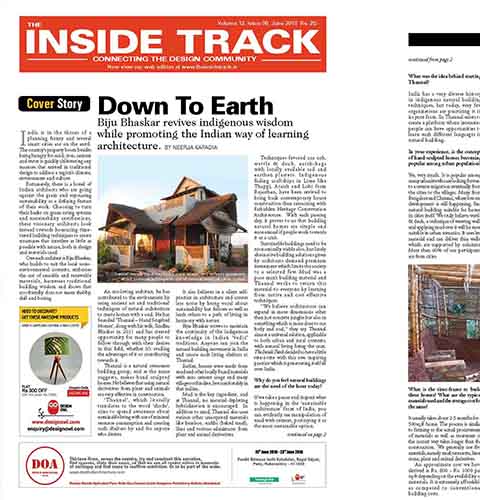
- Featured extensively in international architectural and sustainability media including Scroll.in, Rethinking The Future, What Design can Do and Down To Earth documentaries, enhancing global discourse on sustainable architecture. Read more : https://thannal.com/media/
Vision: Committed to creating architecture rooted in indigenous wisdom and sustainable innovation, Bhaskar envisions communities thriving through self-sufficient, regenerative living environments.
Contact:
- Email: admin@thannal.com


Mannu (a Malayalam word meaning mud) is a documentary that traces the lives of K.V. Sreeja — natural farmer, theatre artist, and social activist — and Biju Bhaskar, green architect. The film was created by students and faculty from the Centre for Study of Religion and Society (CSRS) at UC College, Kerala. Shot across locations in Kerala and Tamil Nadu, the documentary is presented in Malayalam with English subtitles, making its message accessible to a wider audience.